
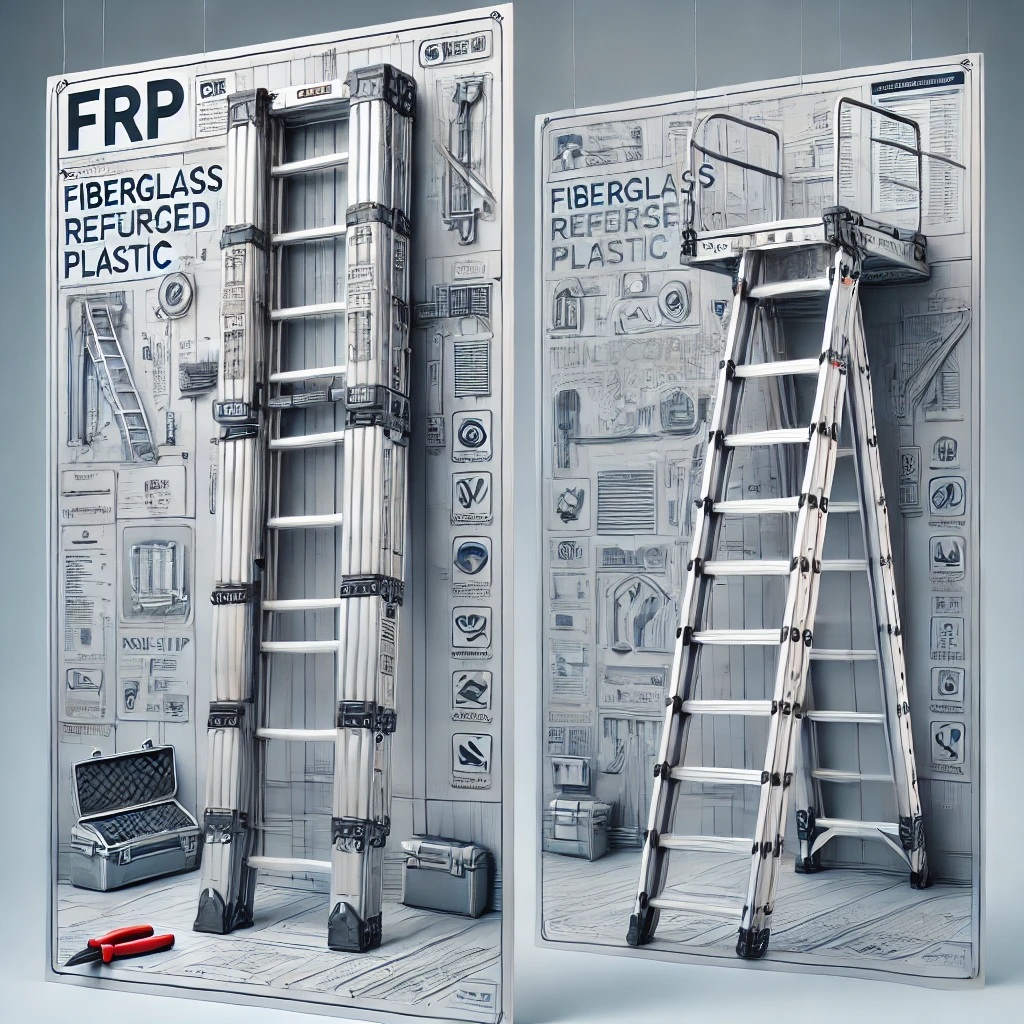
Working at height requires reliable equipment, and choosing the right ladder can significantly affect both safety and productivity. Among the various ladder materials available today, fiberglass ladders are widely regarded as among the safest and most durable options, especially in environments with electrical hazards.
Fiberglass ladders are built using fiberglass-reinforced plastic, a material known for its strength, weather resistance, and non-conductive properties. Because fiberglass does not easily conduct electricity, these ladders are commonly used by electricians, construction professionals, telecommunications technicians, and maintenance workers.
In this comprehensive guide, you will learn what fiberglass ladders are, why professionals prefer them, the different types available, safety benefits, and how to choose the best fiberglass ladder for your needs.
What Is a Fiberglass Ladder?
A fiberglass ladder is a ladder constructed from fiberglass-reinforced composite materials, designed to provide superior durability, stability, and electrical insulation compared to many traditional ladder materials.
Unlike metal ladders, fiberglass ladders are non-conductive, meaning they do not easily allow electricity to pass through them. This property makes them particularly useful for work involving electrical wiring, power lines, and industrial equipment.
Key Characteristics of Fiberglass Ladders
- Non-conductive material for electrical safety
- Strong and durable construction
- Resistant to rust, corrosion, and weather damage
- Suitable for indoor and outdoor work
- High load-bearing capacity for professional use
Because of these advantages, fiberglass ladders are commonly used in industries that require both durability and safety compliance.
Why Are Fiberglass Ladders Safer Than Aluminum Ladders?
Both fiberglass and aluminum ladders are popular, but fiberglass ladders provide several important safety advantages.
Electrical Safety
The most important benefit of fiberglass ladders is their non-conductive nature. According to ladder safety guidelines used in many industries, fiberglass ladders are recommended when working near electrical sources or power equipment.
Increased Durability
Fiberglass ladders resist:
- rust
- corrosion
- moisture
- extreme temperatures
This makes them highly reliable in both indoor and outdoor environments.
Greater Stability
Fiberglass ladders tend to be slightly heavier than aluminum ladders, which can improve stability and balance during use.
Fiberglass vs Aluminum Ladder Comparison
| Feature | Fiberglass Ladder | Aluminum Ladder |
|---|---|---|
| Electrical Conductivity | Non-conductive | Conductive |
| Weight | Slightly heavier | Lightweight |
| Durability | High | Moderate |
| Corrosion Resistance | Excellent | Moderate |
| Ideal Use | Electrical & industrial work | Household tasks |
For professionals working in electrical or industrial settings, fiberglass ladders are often the safer and more reliable option.
What Types of Fiberglass Ladders Are Available?
Fiberglass ladders are available in several designs to accommodate different tasks and work environments.
1. Fiberglass Step Ladder
A fiberglass step ladder is a self-supporting ladder that does not require a wall or support surface.
Best Uses
- Electrical repairs
- Painting and decorating
- Household maintenance
- Indoor construction work
Step ladders are popular because they provide excellent stability and easy access to moderate heights.
2. Fiberglass Extension Ladder
Fiberglass extension ladders consist of multiple sections that extend to reach higher elevations.
Best Uses
- Exterior building maintenance
- Roof repairs
- Construction projects
- Telecommunications installation
These ladders allow workers to safely access higher work areas while maintaining strength and stability.
3. Fiberglass Platform Ladder
Platform ladders include a larger standing platform, allowing workers to stand comfortably for longer periods.
Benefits
- Improved stability
- Reduced fatigue during long tasks
- Extra space for tools or equipment
These ladders are commonly used in warehouses, industrial facilities, and maintenance environments.
4. Fiberglass Multi-Purpose Ladder
Multi-purpose ladders are adjustable and can be used in several configurations.
Common Configurations
- Step ladder
- Extension ladder
- Scaffold position
These ladders provide versatility and flexibility, making them ideal for contractors and maintenance teams.
Why Do Professionals Prefer Fiberglass Ladders?
Professionals across many industries prefer fiberglass ladders because they combine strength, durability, and safety features.
Electrical Protection
Fiberglass ladders provide insulation that reduces the risk of electrical shock. This is why electricians often use fiberglass ladders instead of metal ones.
Exceptional Durability
Fiberglass ladders are resistant to environmental damage such as:
- moisture
- rust
- UV exposure
- extreme weather conditions
This durability allows them to maintain performance even in harsh job site environments.
High Load Capacity
Fiberglass ladders are designed for heavy-duty workloads and often meet strict safety standards.
Common Duty Ratings
| Duty Rating | Load Capacity | Typical Application |
|---|---|---|
| Type I | 250 lbs | Professional use |
| Type IA | 300 lbs | Heavy-duty work |
| Type IAA | 375 lbs | Industrial environments |
Selecting the correct duty rating ensures that the ladder can safely support the user and any tools being used.
Long Lifespan
With proper care and maintenance, fiberglass ladders can last 10–20 years or more, making them a long-term investment for professionals and homeowners alike.
How to Choose the Best Fiberglass Ladder
Choosing the right ladder depends on several key factors.
1. Determine the Required Height
The ladder should allow you to reach the work area without standing on the top rung.
Typical recommendations:
- 6–8 ft ladders for indoor tasks
- 16–24 ft ladders for outdoor projects
Using the correct ladder height improves both safety and efficiency.
2. Check the Load Rating
Always select a ladder that can support your weight plus the weight of tools and equipment.
Professionals usually choose Type IA or Type IAA ladders for added safety.
3. Look for Safety Certifications
High-quality fiberglass ladders should comply with recognized safety standards.
Important certifications include:
- ANSI (American National Standards Institute)
- OSHA ladder safety requirements
These certifications confirm that the ladder meets strict safety guidelines.
4. Choose the Right Ladder Design
Different tasks require different ladder styles.
For example:
- Step ladders for indoor use
- Extension ladders for outdoor access
- Platform ladders for extended work periods
Selecting the correct design improves comfort and productivity.
Who Should Use Fiberglass Ladders?
Fiberglass ladders are widely used across multiple industries.
Electricians
Because fiberglass ladders are non-conductive, they are essential for electrical installations and repairs.
Construction Professionals
Contractors rely on fiberglass ladders for their strength, durability, and load capacity.
Maintenance Technicians
Facility maintenance teams often use fiberglass ladders to safely access lighting systems, HVAC equipment, and structural components.
Homeowners
Fiberglass ladders are also useful for homeowners performing tasks such as:
- painting
- cleaning gutters
- home repairs
Fiberglass Ladder Safety Checklist
Using ladders safely is critical to prevent injuries. According to safety organizations, ladder accidents cause thousands of injuries every year, making proper ladder usage essential.
Essential Safety Tips
✔ Inspect the ladder before every use
✔ Place the ladder on stable and level ground
✔ Maintain three points of contact while climbing
✔ Avoid overreaching or leaning sideways
✔ Never exceed the ladder’s load capacity
✔ Store ladders in a dry, protected environment
Following these guidelines helps reduce the risk of ladder-related accidents.
Frequently Asked Questions (FAQ)
Are fiberglass ladders better than aluminum ladders?
Fiberglass ladders are generally considered safer for electrical work because they are non-conductive and highly durable. Aluminum ladders are lighter and commonly used for household tasks.
Do fiberglass ladders conduct electricity?
No. Fiberglass ladders are designed to be electrically non-conductive, making them suitable for use near wiring, power lines, and electrical equipment.
Are fiberglass ladders heavier than aluminum ladders?
Yes, fiberglass ladders are typically heavier. However, the added weight often provides greater stability and durability, especially in professional environments.
How long do fiberglass ladders last?
A well-maintained fiberglass ladder can last 10 to 20 years or more, depending on usage and storage conditions.
Conclusion
Fiberglass ladders are one of the most reliable and safest ladder options available today, particularly for professionals working near electrical systems or in demanding environments. Their non-conductive properties, exceptional durability, and high load capacity make them a trusted tool across industries such as construction, electrical maintenance, telecommunications, and facility management.
Whether you are a professional contractor or a homeowner tackling DIY projects, selecting the right fiberglass ladder can improve both safety and efficiency when working at height. By understanding the types of fiberglass ladders, their advantages, and the key factors to consider when buying one, you can make an informed decision and choose a ladder that meets your needs for years to come.
About Access Industrial
At Access Industrial, we specialize in delivering top-notch industrial products and services to meet the diverse needs of our clients. Our mission is to provide innovative, reliable, and cost-effective solutions that empower businesses to achieve peak performance in their operations.
With years of industry expertise, we offer a wide range of services, including custom fabrications, material handling equipment, and on-site support tailored to your specific requirements. From precision engineering to efficient project management, our dedicated team ensures seamless execution at every step.